Dear wine lover, today I invite you to meet Öküzgözü, the shining star of Eastern Anatolia and one of Türkiye’s most distinctive red grape varieties.
In my previous articles, I introduced Kalecik Karası and Emir, two grapes of Central Anatolia. Now we travel east to Elazığ, where Öküzgözü takes the lead among Anatolia’s native reds. The name Öküzgözü means “ox eye”, inspired by its large, round, dark purple berries that resemble the eye of an ox. Indigenous to Elazığ and Malatya, this grape has long been cherished both for winemaking and as a table fruit.
In Turkish winemaking, one of the most iconic blends brings together Öküzgözü and Boğazkere. The bright acidity and generous fruit of Öküzgözü balance the firm structure and tannins of Boğazkere, creating wines that are harmonious, characterful, and continue to represent one of Türkiye’s most important heritages.
A Landmark in Turkish Winemaking
In the 1940s, the Turkish government established a network of “Experimental Wine Houses” across Türkiye under the supervision of Tekel, the State Monopoly for Alcohol and Tobacco Production, to improve viticulture and winemaking. French experts were invited to Türkiye for this purpose. Emile Boffard was assigned to investigate winemaking and, under the supervision of Marcel Biron, an important vineyard specialist, efforts focused on cataloguing Türkiye’s high quality native grape varieties.
Wineries were founded across the country, including Elazığ, Ürgüp, Kayseri, Bilecik, Yozgat, Gaziantep, Çorum, Nevşehir, Bor, Kalecik, Kırşehir, Kırıkkale, Kırcasalih, Şarköy, Hoşköy, Uçmakdere, Tokat, and Karaman.
One of the most successful outcomes of this initiative was the Elazığ Winery, founded in 1942 and later modernized by Kayra Wines. Tekel’s legendary Buzbağ, named after the famous Buzluk Cave in Harput, has been produced here since 1944 and still carries the heritage of Anatolia in every bottle. It is made from the Öküzgözü grapes of Elazığ and the tannic Boğazkere grapes of Diyarbakır, complementing each other beautifully, much like Cabernet Sauvignon and Merlot.
This remarkable partnership also lives on in Yakut, another iconic blend that has stood the test of time and helped popularize Öküzgözü and Boğazkere among a wider audience. A significant portion of Türkiye’s most celebrated red wines are made from the union of these two native varieties. In 1995, Kavaklıdere Prestige Öküzgözü marked a turning point as the first premium varietal wine made entirely from Öküzgözü.
Öküzgözü at a Glance
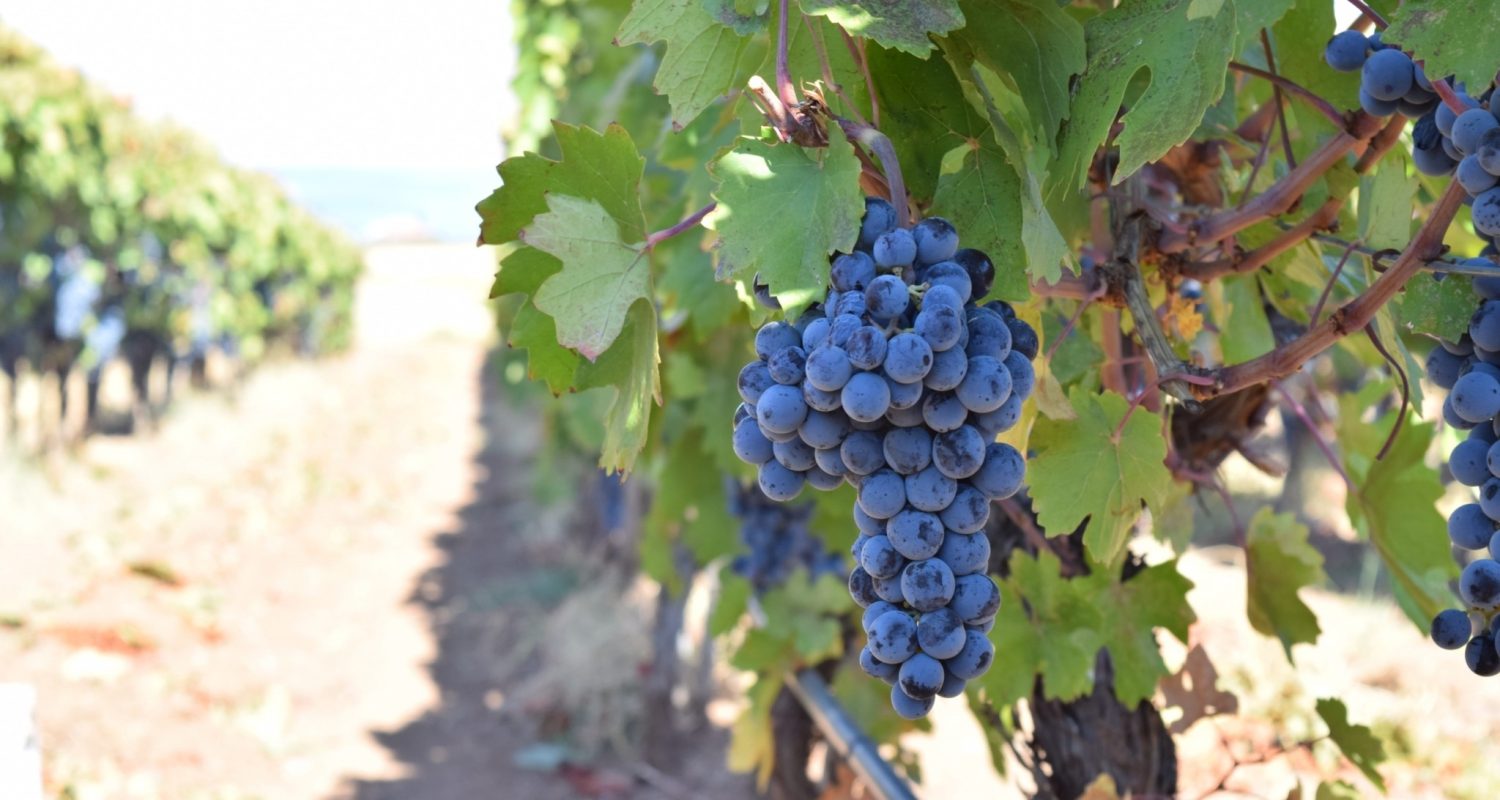
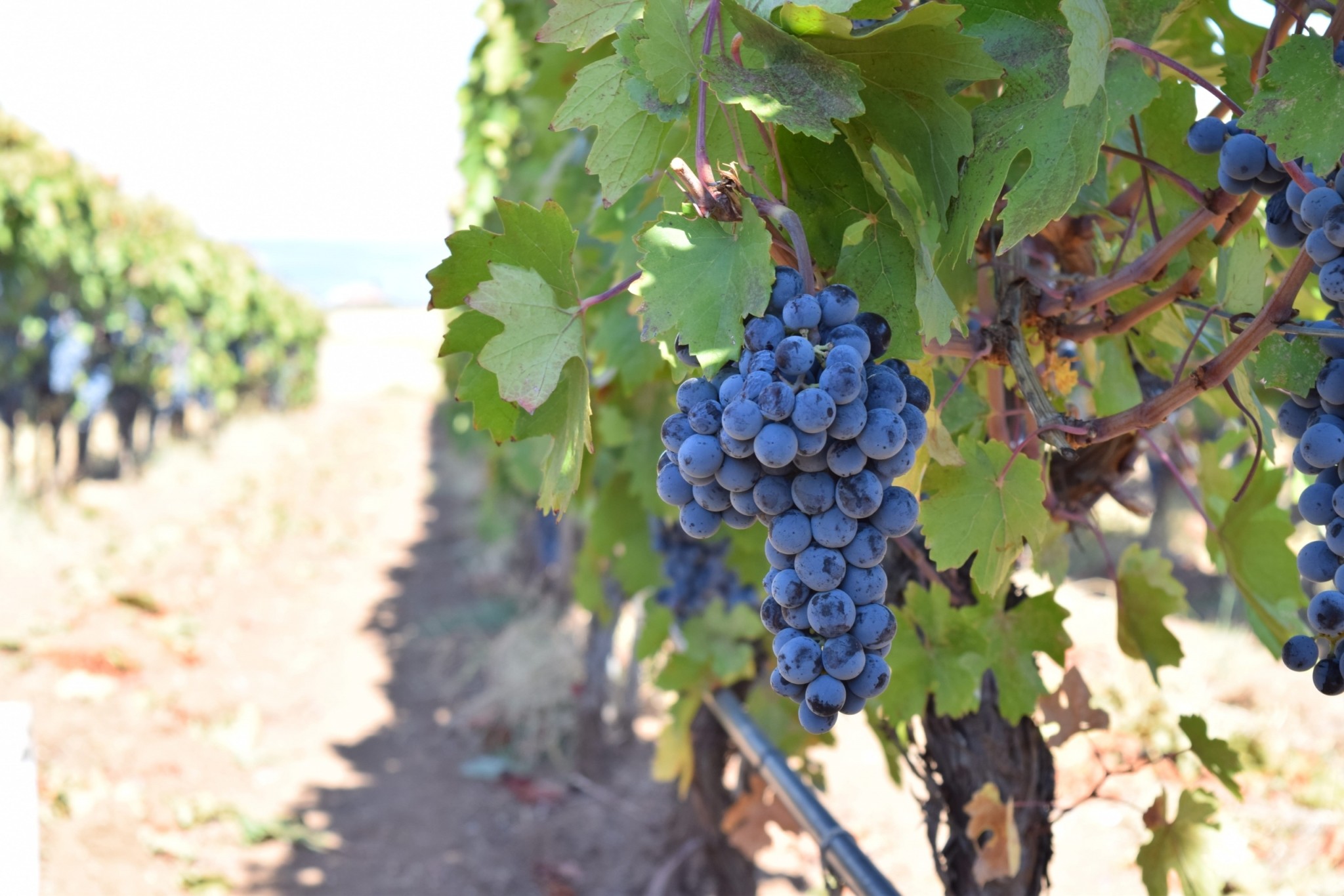
Öküzgözü grapes have a bluish purple color, elliptical shape, medium thick skins, large clusters, and big berries. The wines are medium to full bodied, dark fuchsia in color, with high acidity, moderate tannins, and balanced alcohol.
When young, they display aromas of cherry, blackberry, damson plum, black mulberry, pomegranate, and eucalyptus. They can also benefit from barrel ageing. In Türkiye, Öküzgözü wines are produced in a variety of styles including dry, sweet, rosé, red, and fortified.
Öküzgözü grapes cultivated at 850 to 1100 meters in the clay, loam, and calcareous soils of Elazığ were registered as a Geographical Indication in 2007. With a history of several centuries, Öküzgözü is known for its distinctive aroma and its element of surprise. When young, Öküzgözü wines are intensely fruity. If I were to describe Öküzgözü in one word, it would be juicy. Without a doubt, these characteristics were key in its selection for Primeur Red, Türkiye’s answer to the Beaujolais Nouveau tradition, introduced in 1988.
As it ages, Öküzgözü gains depth while maintaining its freshness. Varietal examples are easily recognisable by their vivid fuchsia color. If you drink this wine often, it is even possible to distinguish Öküzgözü from others by its color. For this Turkish grape with a fine balance between body, acidity, and tannin, Kavaklıdere Wines and Riedel designed a dedicated Öküzgözü glass in 2019, a first in Turkish winemaking.
Öküzgözü and Food
With its high acidity, Öküzgözü pairs beautifully with a wide range of dishes. It complements tomato based lamb stews, braised meats with fruit, grilled red meats, and charcuterie.
For a truly local pairing, try it with İzmir style kokoreç (grilled mutton intestines). The contrast between the rich flavours of the dish and the bright fruit of the wine is unforgettable. I definitely recommend giving this combination a try.
See you next time, when we will meet its long time partner and opposite in character, Boğazkere.